Tiles in the UAE: A Home Owner's Guide to Choosing, Buying and Fixing Tiles
Tiles in the UAE are mostly porcelain and ceramic, with natural stone, marble and mosaic used for feature areas. Choosing tiles for a home comes down to five decisions, in a fixed order: the room, the material, the size, the finish and layout, and the price. After those, one more matters as much as any of them: who fixes the tile, and what they check before the first piece goes down.
Last updated: 14 October 2026
On this page
- The five decisions, in order
- What tiles are sold in the UAE
- Tiles for home: choosing by room
- Home tile design: finish, colour and layout
- Sizes, trims and the details people forget
- Tile prices: how to budget before you shop
- What the site needs before tiles go down
- Buying tile before you hire an installer, or the other way round
- Apartment, villa or rental: how the choice differs
- What the climate asks of tiles in the UAE
- Cleaning and care by tile type
- Mistakes in tile jobs across the UAE
- A checklist from first idea to handover
- How we work
- Frequently asked questions about tiles in the UAE
Dubai Repair Pro is a Dubai LLC with its own employed tile installers. We fix tile that you buy from a shop of your choice, and we do not sell tile. We have no stock to move, so this page can tell you what we see on site without a sales angle.
This page is the hub for our tile guides. It gives you the short answer to each decision and sends you to the full guide when you want the detail. Read it top to bottom if you are starting from nothing, or jump to the section for the decision you are stuck on.
The five decisions, in order
People often start with a tile they like in a showroom and then discover it does not suit the room, the budget or the base it has to go on. Going in the other order avoids that. Each decision narrows the next one.
| Order | Decision | The question to answer | Full guide |
|---|---|---|---|
| 1 | Room | Is it wet, outdoors, heavily walked on, or mainly for looks? | Floor tiles design |
| 2 | Material | Porcelain, ceramic, stone, marble or mosaic? | Porcelain vs ceramic |
| 3 | Size | How big a tile suits the room and the base? | Tile sizes |
| 4 | Finish and layout | Glossy or matt, which colour, which pattern, which edges? | Bathroom tiles design, wall and kitchen tiles |
| 5 | Price | What does the whole job cost, not just the tile? | Tile prices |
| 6 | Installer | Who fixes it, on what base, with what guarantee? | Tile fixing |
The last row is not an afterthought. A good tile fixed badly fails, and a plain tile fixed well lasts. Book the inspection before you place the tile order, because what the inspector finds in the floor can change the tile you should buy.
What tiles are sold in the UAE
Five families cover almost everything you will see in a showroom here. They differ in how dense they are, how they take water and wear, how heavy they are and what they cost to fix.
Porcelain
Porcelain is a dense tile with very low water absorption. It is the usual answer for floors, wet rooms, balconies and anywhere that sees heavy use. It comes in a huge range of looks: marble, concrete, wood, stone and plain colours. It is hard to cut, so it asks more of the installer, and large porcelain slabs are heavy and need careful handling.
Ceramic
Ceramic is a softer, more porous tile, usually lighter and easier to cut. It is common on walls, in kitchens as a splashback and in bedrooms and living areas with light foot traffic. It is a sensible choice for walls even in a bathroom, and a poor choice for a balcony or an entrance. Our porcelain vs ceramic guide sets out the differences with a decision table for each room.
Natural stone
Granite, travertine, limestone and similar stones bring variation that no printed tile quite matches. They are heavier, they can absorb stains unless sealed, and each piece differs in colour and pattern. Stone needs a sealer after fixing and again over the years, and an installer who has laid it before.
Marble
Marble is the premium floor and wall finish in many Dubai homes. It scratches and etches more easily than porcelain, and it needs polishing and sealing over its life. We cover marble in detail on our marble flooring and marble polishing pages, and we fix it with the same team.
Mosaic
Mosaic tiles are small pieces, usually on a mesh sheet, in glass, ceramic, stone or metal. They suit feature walls, shower niches, splashbacks and curved surfaces. Because there are many joints, grout choice and cleaning matter more. A mosaic floor in a shower is a sound choice for grip and drainage, but it is slow to fix.
If you want the detail behind tile quality, the standards usually named for tile fixing and for adhesives and grouts are BS 5385 and ISO 13007. Check any standard with the supplier or the installer before you rely on it in a contract.
Tiles for home: choosing by room
Tiles for home use are judged room by room, because each room asks something different of the floor and the wall. The table gives the short version, and the guides linked in it give the full reasoning.
| Room | What the tile has to handle | Usual choice | Read next |
|---|---|---|---|
| Living room and majlis | Heavy foot traffic, large open floor, visible all day | Large-format porcelain or marble, matt or semi-polished | Floor tiles design, tile sizes |
| Kitchen | Spills, grease, heat, constant cleaning | Porcelain floor, tile splashback on the wall | Wall and kitchen tiles, bathroom and kitchen tiles |
| Bathroom | Water on every surface, soap, slip risk | Porcelain floor with a grip finish, ceramic or porcelain walls | Bathroom tiles design |
| Bedroom | Light traffic, comfort, quiet | Porcelain or ceramic, often a calm wood-look or plain tile | Floor tiles design |
| Maid's room and laundry | Water, cleaning chemicals, hard wear | Practical porcelain, grip finish near the drain | Floor tiles design |
| Balcony and terrace | Sun, rain, sand, a fall to a drain | Outdoor-rated, grip-finish porcelain | Tile fixing |
| Entrance and corridor | The hardest wear in the home | Hard-wearing porcelain, with a darker or patterned tile that hides dirt | Floor tiles design |
Two rules cover most of the table. Anything wet or outdoors wants porcelain with a grip finish. Anything walked on all day wants a tile that hides marks rather than shows them.
We fix tile in all of these rooms, including balconies, terraces and pool surrounds, and we fix porcelain, ceramic, natural stone, marble and mosaic. Outdoor work follows the same steps as indoor work with two additions: a fall to the drain, and movement joints to let the slab and the tile expand and contract with the heat.
Home tile design: finish, colour and layout
Home tiles design is where most of the pleasure of a tiling job lies, and also where most regret comes from. Three choices shape the look of any room.
Finish. Gloss reflects light and makes a small room look bigger, but it shows marks and is slippery when wet. Matt hides marks and grips better. Semi-polished sits in between and suits living areas. For the floors of wet rooms, choose a tile with a grip finish regardless of how it looks.
Colour. Light colours open a room and reflect light, but show dirt along the grout lines of a floor. Mid tones hide dirt and look good in a hallway or kitchen. Very dark floors show dust and footprints in a dry climate, so test a sample under the light of the room before you buy.
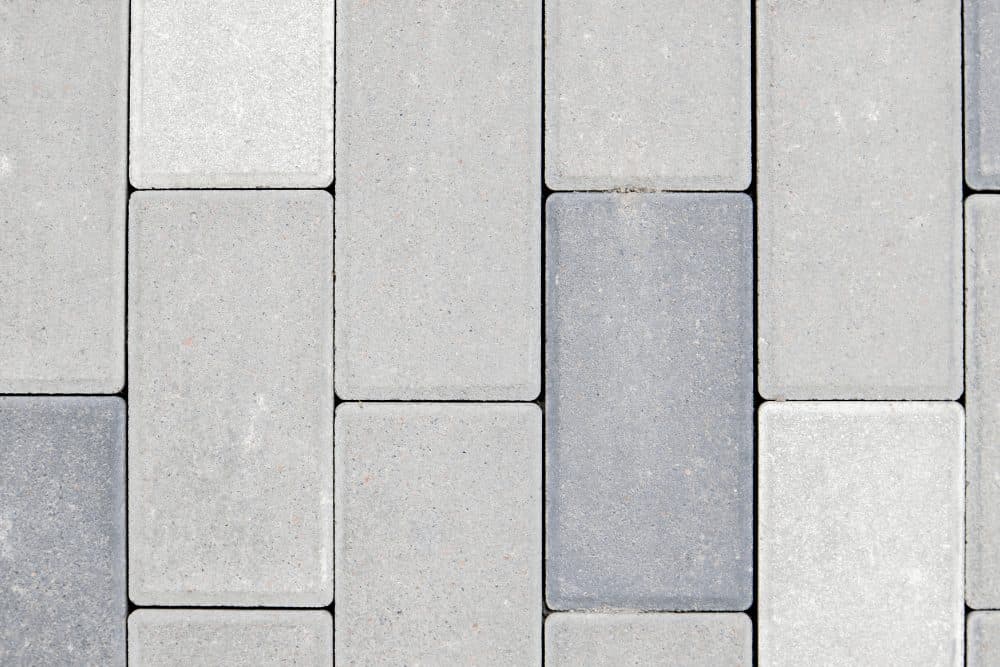
Layout. Straight, offset (brick), herringbone and diagonal layouts each suit different rooms and cost different amounts to fix. Diagonal and herringbone need more cuts and more waste, so the labour and the tile order both rise. Our guides on floor tiles design, bathroom tiles design and wall tiles go through layouts with the waste allowance for each.
Ask the shop for a sample of the tile and take it home. A tile under showroom lights looks different from the same tile on your floor in morning sun.
Sizes, trims and the details people forget
A tile order is more than the tile on the main floor. Four details often get forgotten until the installer asks.
Size. The usual floor tile in a modern home is 60×60 cm, with 60×120 cm increasingly used in living areas. Large tiles show fewer joints but need a flat base and heavier handling. Small tiles follow the slope of a shower floor and a curved wall. The tile sizes guide covers standard sizes, joint widths and how to match size to room.
Skirting. The tile along the base of the wall hides the gap at the edge and protects the paint. You can cut it from the floor tile, buy a matching skirting tile, or choose a different material. Order it with the floor so the batch matches. See our skirting tiles guide.
Trims and edges. Tile edges at corners, steps, niches and shower curbs need trim pieces or mitred cuts. Decide which before the tile order, because trim pieces are often a separate item with their own lead time.
Grout and adhesive. Grout colour changes the look of the whole floor. A grout close to the tile colour makes the floor look continuous, and a contrasting grout outlines every tile. Adhesive type depends on the tile and the base, and we select it at the inspection.
Tile prices: how to budget before you shop
Tile prices in the UAE are shown in several different units, and shops use different ones. A price per m², a price per square foot, a price per piece and a price per box can all describe the same tile at the same cost, and they look very different on the label. Before comparing two quotes, convert them to the same unit.
We do not publish tile prices on this site, because any number we printed would be out of date within weeks and would depend on the shop, the batch and the order size. Our tile prices guide shows how to read a price list, how to convert between units, how to add waste, VAT and delivery, and how to build the cost of a finished floor from the shelf price.
A short budget formula to keep in mind: the cost of a tiled floor is the tile (with about 10 per cent extra for cuts and breakage), plus adhesive and grout, plus preparation and any waterproofing, plus removal of the old floor if there is one, plus labour, plus 5% VAT. The tile is often less than half of the finished cost on a small room with a lot of preparation, so a cheap tile does not guarantee a cheap job.
What the site needs before tiles go down
Tile does not hide a poor base. It shows it. Six checks on the base decide whether a floor lasts, and the inspector carries them out before we quote.
- Level. A floor that is out of level by more than a few millimetres over two metres needs levelling before large tiles go down. Large-format tiles are the least forgiving.
- Soundness. Old screed that is cracked, hollow or crumbling has to be repaired or replaced, or the new tile will crack where the screed moves.
- Moisture. A damp slab, a leaking pipe or a recent screed can push tiles up and stain grout. The inspector checks for damp and asks about the history of the floor.
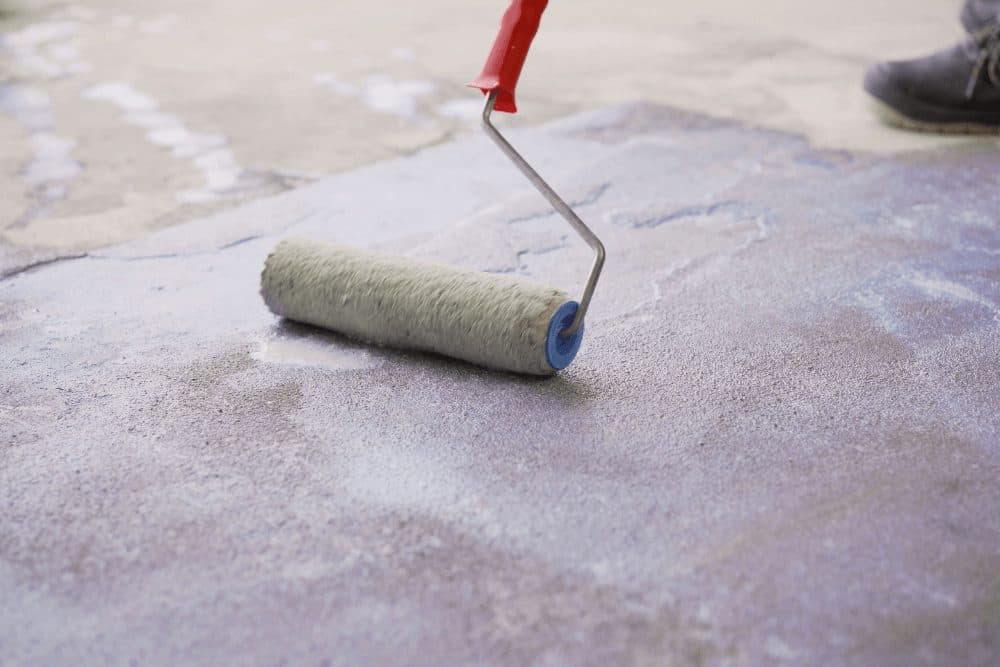
- Waterproofing. Bathrooms, shower areas, kitchens with floor drains, balconies and terraces need a waterproofing layer under the tile. We apply the membrane and let it cure before tiling.
- Falls. A wet floor needs a fall to the drain. The inspector checks it, because tile cannot correct a floor that falls the wrong way.
- Old tile. If there is existing tile, we say at the inspection whether the new tile can go over it or whether it has to come off. Tiling over old tile raises the floor and adds weight, so we recommend removal when the old tile is hollow, loose or uneven.
Removing old tile
When old tile has to come up, we break it out, lift it, chip or grind off the old adhesive and clear the debris. It is noisy, dusty and heavy work. We cover the surrounding floors and furniture, seal doorways and clean daily. Removal and disposal appear as their own line on the written quote, so you see what it costs and can compare it with other quotes on a like-for-like basis.
Delivery and checking the tile
Have the tile delivered and checked before our team starts. Open a few boxes in daylight and check that:
- the batch number, shade and size on every box match
- the tiles are not chipped or cracked
- the quantity matches the order, including the extra for waste
- the trim pieces and skirting have arrived
Tile that arrives short, or from a different batch, delays the job and shows as a colour line on the floor. Keep a few spare tiles from the same batch for future repairs.
Buying tile before you hire an installer, or the other way round
People ask which comes first. In practice the order that works is: inspection, then tile choice, then tile order, then fixing.
The inspection comes first because the inspector can tell you the floor level, the base condition and the waterproofing need. Those findings affect the tile (for example, a very large tile on an uneven base is a risk), the quantity (a room with many corners needs more waste allowance) and the budget (levelling and waterproofing are extra items).
Choosing the tile second, with those findings in hand, avoids a common problem: a tile bought on impulse that cannot be fixed to the standard you expected on the floor you have.
Order the tile before the work date, and ask the shop these questions:
- What is the price per m², and is VAT included?
- Is the quoted batch available in the full quantity?
- How are breakages and returns handled?
- When can you deliver, and where is the tile left?
- Do the trim pieces and skirting come from the same batch?
We fix tile you buy yourself, and we give you a written quote that covers labour, adhesive, grout, preparation, waterproofing and any extras. If you buy from a shop, you deal with the shop for the tile, and with us for the fixing, and each of us is accountable for our own part.
Apartment, villa or rental: how the choice differs
The home you are tiling changes the choice more than most people expect.
Apartment you own. Floor height is limited by the door thresholds and the building. Tiling over old tile raises the floor, so check the clearance. Many buildings have rules about noise and working hours, and some require a permit or notice to management for work that makes noise, so ask the building before you book a date.
Villa. Villas have more floor area, more outdoor tile, more steps and more rooms with different needs. Order the tile for the whole job at once, so every room comes from the same batch. Outdoor areas need a rated tile and a fall to drainage.
Rental and move-out. Landlords usually want a durable, neutral tile that suits the next tenant. A plain porcelain in a mid tone is the safe choice. If you are a tenant repairing a damaged tile before move-out, our tile fixing team replaces individual tiles, and our move-out painting service handles the walls in the same visit.
Commercial and shops. Heavy foot traffic wants a harder-wearing floor tile and a bigger allowance for maintenance. The question to ask is how the tile is rated for the traffic it will see.
What the climate asks of tiles in the UAE
Heat, sun, sand and water shape which tiles last in a Dubai home. Four effects show up on site again and again.
Heat and movement. Slabs, screed and tile all expand and contract as temperatures change, and they do it at different rates. A tile fixed rigidly across a large area with no movement joints can lift or crack. That is why large floors and outdoor areas need movement joints, and why a tile fixed hard against a wall with no gap can push off the wall when it warms.
Sun on outdoor tile. Dark outdoor tile in direct sun gets hot enough to be uncomfortable barefoot. If the balcony or pool surround is walked on without shoes, choose a lighter tile and test a sample in the sun before you order.
Sand and grit. Sand carried in on shoes scratches glossy finishes and dulls them over time. A matt or lightly textured flooring tile hides the wear better than a high gloss, and a doormat at the entrance protects the first metres of any floor.
Water and humidity. Bathrooms, laundry rooms and kitchens see water daily, and air-conditioning condensation can mark floors near units. Wet areas need a tile with low water absorption, a waterproofing layer and a fall to the drain. Dry rooms are more forgiving.
None of these rule out a material. They shape the details: the finish, the colour, the joints and the fixing method. Ask your installer which of the four applies to each room.
Cleaning and care by tile type
How a tile is cleaned decides how it looks in five years. The rules differ by material, and the wrong cleaner is a common cause of damaged stone and dull grout.
| Tile | Everyday cleaning | Avoid |
|---|---|---|
| Porcelain | Sweep or vacuum, then mop with water and a neutral cleaner | Harsh acids on polished surfaces, wax or oily polish that leaves a film |
| Ceramic | Wipe with a damp cloth and a neutral cleaner | Abrasive pads on a glazed surface |
| Natural stone | Dry dust, then a stone-safe neutral cleaner | Acidic cleaners, vinegar and bleach, which etch or stain stone |
| Marble | Dust mop and a pH-neutral cleaner, wiping spills at once | Acids of any kind, including lemon, and abrasive powders. See marble polishing for restoring a dull floor |
| Mosaic | Soft brush along the joints with a neutral cleaner | Hard brushes that wear the grout |
Grout is the part that shows age first. Unsealed grout takes up stains, and light grout on a kitchen floor darkens fastest. Ask the installer which grout they recommend for each room and whether a sealer is worth it for the finish you chose.
If you plan to keep a floor for many years, buy a few extra boxes of the same batch. A batch bought five years later may differ slightly in shade, and a spare tile from the original lot makes a repair invisible.
Mistakes in tile jobs across the UAE
These are the problems that show up after a tile job goes wrong. Most are avoidable at the buying stage.
- Buying the tile before the inspection. The tile is too big for the base, too slippery for the room, or the quantity is short. The fix is to inspect first.
- Choosing a wall tile for a floor. Wall ceramic is thinner and softer. On a floor it chips and cracks. Check that the box says it is rated for floors.
- Ordering the exact area. With no allowance for cuts and breakage, the last row of a room can run out. Order about 10 per cent extra, and more for diagonals.
- Mixing batches. Tiles from different batches can differ in shade. Order everything at once and check the batch number on every box.
- Skipping waterproofing. A bathroom or balcony tiled without a membrane can leak into the room below. The damage may take months to show.
- Ignoring the fall. Water pooling by the shower or on a balcony usually means the floor falls the wrong way, and tile cannot correct it.
- Tiling over loose old tile. The new tile follows the old floor when it moves. If the old tile sounds hollow when you tap it, it should come off.
- No movement joints. Large floors and outdoor areas need them. Without them, tiles lift or crack along a line.
- Choosing the cheapest installer. The price looks low because preparation, waterproofing or removal has been left out. Compare quotes line by line.
- Hiding the problem under a cheaper finish. A cracked screed or damp wall that is tiled over comes back as a cracked tile.
A checklist from first idea to handover
Use this list to keep a tile job in order. It follows the same path as the guides above.
- Decide the rooms. List every room and balcony to be tiled, and which are wet.
- Book the inspection. AED 100, with the base, level, moisture and waterproofing checked.
- Choose the material and size. Use the porcelain vs ceramic and tile sizes guides.
- Pick the finish, colour and layout. Take samples home and look at them in the room's own light.
- Price the whole job. Convert shop prices to one unit, add 10 per cent for waste, then preparation, labour and 5% VAT.
- Order the tile. One batch, one order, trims and skirting included.
- Check the delivery. Open boxes, match batch numbers, count the quantity.
- Agree the date. Confirm building rules and working hours, and clear the room.
- Fixing. Preparation, waterproofing, tile, grout and clean-up.
- Handover. Walk the room, check the joints and keep the spare tiles.
Choosing tiles for a room starts with the room's use: floor or wall, wet or dry, traffic and cleaning. Tiles for a room are best chosen with the room's size and light in mind, so a sample goes on the wall or floor before you order.
Tiles for room use are chosen by function first: floor or wall, wet or dry, and how often it is cleaned.
How we work
Every tile job with Dubai Repair Pro follows the same steps:
- Inspection. A site inspection costs AED 100. We check the base, the level, the moisture and the waterproofing need, and we measure the room.
- Written quote. After the inspection you get a written quote, with 5% VAT quoted separately. It lists labour, adhesive, grout, preparation, waterproofing, removal and any extras.
- Preparation and fixing. Our own employed installers do the work. We do not subcontract. Floors and furniture are protected, and the room is cleaned each day.
- Finish and handover. Grout is cleaned, joints are checked, and we walk the room with you before handover.
- Warranty. The work carries a 1-year workmanship warranty.
We work across all of Dubai. If the job also needs painting, waterproofing or marble polishing, one team does it, so no trade waits on another and none blames another for damage. See our painting services for the paint side of a renovation.
Keep reading
Frequently asked questions about tiles in the UAE
What are the most common tiles in the UAE?
Porcelain and ceramic make up most of what is sold for homes, with natural stone, marble and mosaic used for feature areas and premium floors. Porcelain is the standard for floors and wet areas, and ceramic is common on walls.
Which tiles are best for a home?
For floors, porcelain with a finish matched to the room. For walls, ceramic or porcelain. For wet floors and balconies, a grip-finish porcelain rated for wet or outdoor use. For feature areas, stone, marble or mosaic.
Which size of tile is best for a living room?
60×60 cm is the usual size, and 60×120 cm gives fewer joints in a large room, if the base is flat enough. Our tile sizes guide goes through the choice room by room.
Can you fix tiles that I bought myself?
Yes. We fix tile you buy from any shop, and we do not sell tile ourselves. Send us a photo of the tile or the product page on WhatsApp and we will tell you what to look for.
Do you remove old tiles?
Yes. We remove the old tile and adhesive, clear the debris and clean up. Removal and disposal appear as a separate line on your written quote.
Do you fix balcony and terrace tiles?
Yes, including pool surrounds, steps and driveways. Outdoor work needs a rated tile, a fall to the drain and movement joints.
Do bathroom and kitchen floors need waterproofing?
Yes, in the wet areas: bathroom floors, showers, kitchens with a floor drain, balconies and terraces. A membrane goes under the tile and has to cure before the tile goes on.
How much extra tile should I order?
About 10 per cent for most rooms, and more for diagonal layouts, small rooms and natural stone. Keep a few spare tiles from the same batch for future repairs.
How do I compare tile prices?
Convert every price to the same unit, usually per m², and ask whether VAT and delivery are included. Our tile prices guide walks through the conversion.
What does a site inspection cost?
AED 100. After the inspection you get a written quote, with 5% VAT quoted separately.
Get a quote for tile fixing
Tell us what you need, or send photos on WhatsApp. A site inspection costs AED 100, and you get a written quote after the visit.
- +971 55 209 9785
- info@dubairepairpro.com